What Is Dyslexia?
Understanding dyslexia is the first step toward recognizing it early and providing appropriate support.
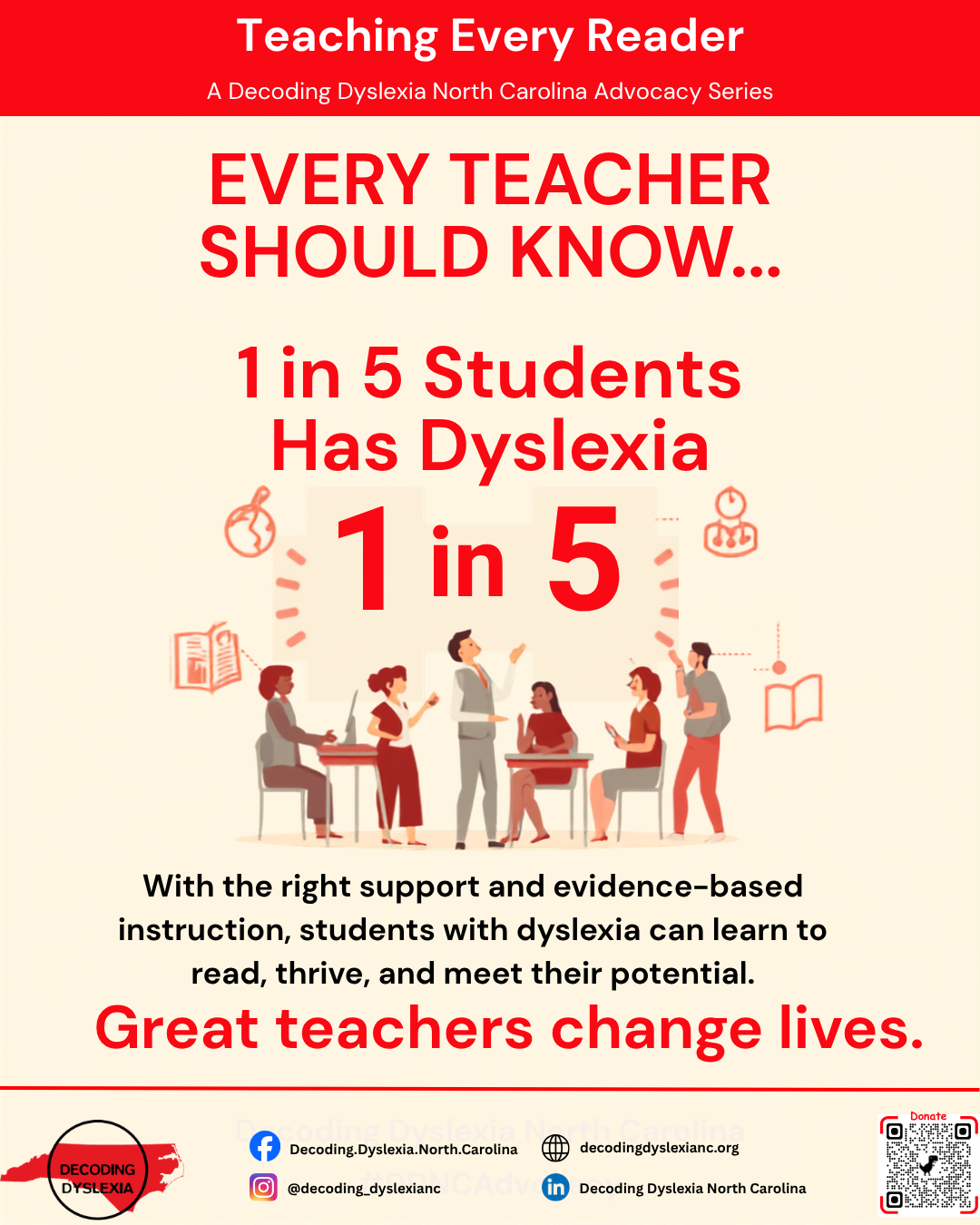
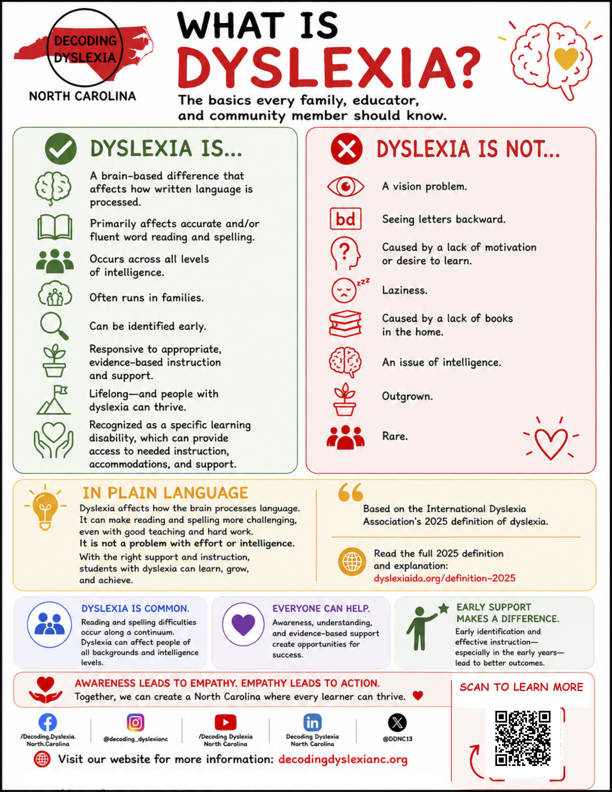
Dyslexia is a language and literacy learning difference that primarily affects the development of accurate and/or fluent word reading and spelling. It occurs across all levels of intelligence and ranges in severity from person to person.
Dyslexia is not caused by laziness, lack of motivation, poor parenting, inadequate exposure to books, or a vision problem. It is also much more than reversing letters.
The 2025 Definition of Dyslexia
In 2025, the International Dyslexia Association (IDA) updated its definition of dyslexia to reflect advances in research and a broader understanding of how dyslexia develops and affects people across the lifespan. The revised definition emphasizes difficulties with word reading and spelling, the continuum of severity, multiple interacting influences on development, and the importance of early identification and appropriate instruction.
The International Dyslexia Association defines dyslexia as:
“Dyslexia is a specific learning disability characterized by difficulties in word reading and/or spelling that involve accuracy, speed, or both and vary depending on the orthography.”
The complete definition goes on to describe dyslexia as occurring along a continuum of severity and recognizes the interaction of genetic, neurobiological, and environmental influences. It also acknowledges phonological and morphological processing, oral language development, potential secondary consequences, and the importance of early identification and targeted instruction.
Read the complete 2025 IDA Definition of Dyslexia
Why Is Dyslexia Called a
“Specific Learning Disability”?
The word disability can feel frightening to families, particularly when they are first learning about dyslexia. It is important to understand what the term does, and does not, mean.
Calling dyslexia a specific learning disability does not mean that a person lacks intelligence, potential, creativity, or the ability to become a successful reader and learner.
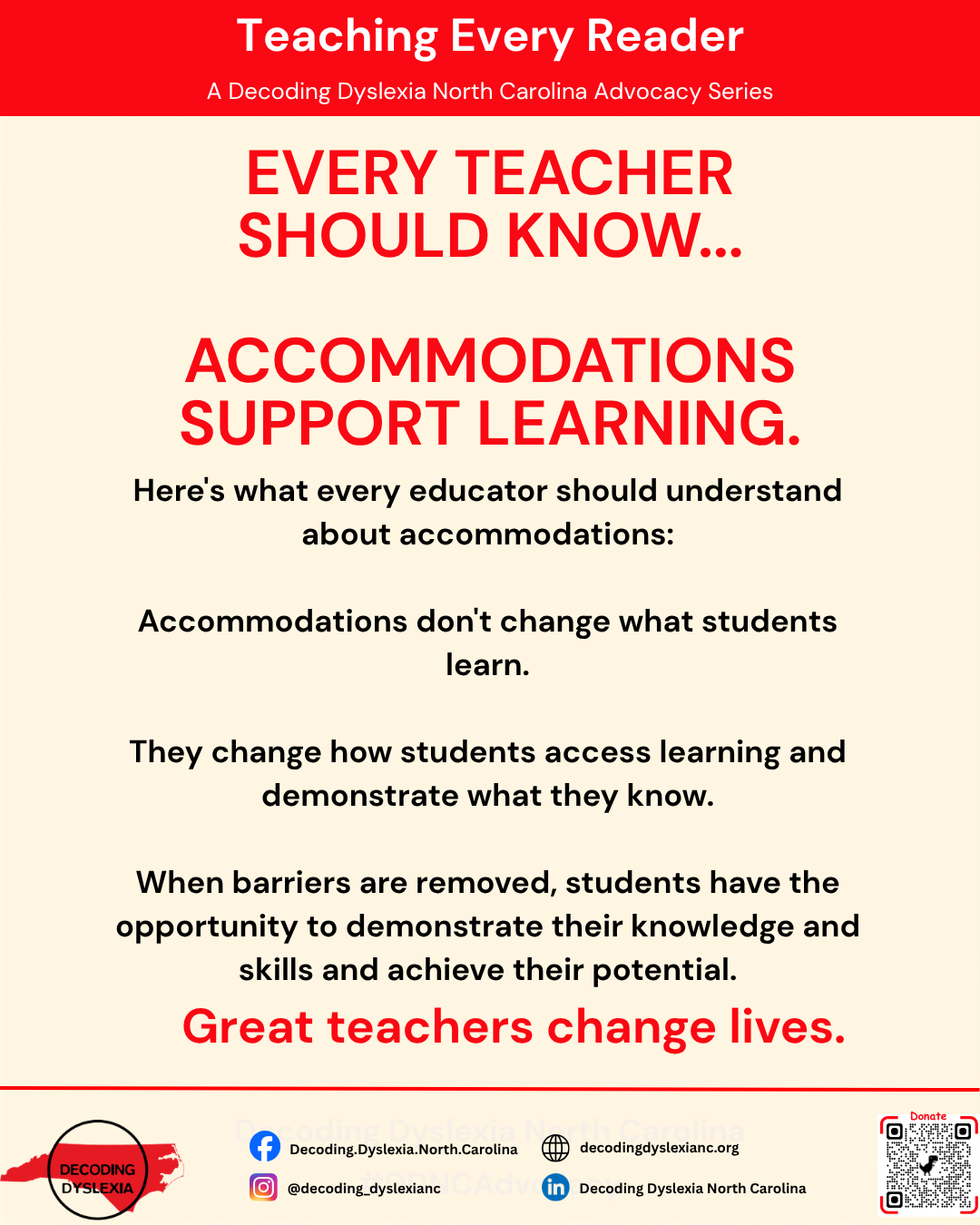
IDA considered the language carefully when revising its definition in 2025. The organization retained the term "specific learning disability" in part because the terminology aligns with the Individuals with Disabilities Education Act (IDEA) and can help ensure access to legal rights, educational services, appropriate instruction, and accommodations. IDA also explicitly considered neurodiversity and the importance of recognizing learners' strengths.
A disability identifies a need for support. It does not define the person.
Learn why IDA retained this language in the 2025 definition
Dyslexia Does Not Look the Same in Everyone
There is no single dyslexia profile.
Some individuals have greater difficulty with reading accuracy. Others learn to read words accurately but continue to read very slowly and effortfully. Spelling difficulties may be especially persistent. The severity of these difficulties also varies considerably.
The 2025 IDA definition describes dyslexia as occurring along a continuum of severity rather than as a simple either/or condition.
Dyslexia can also occur alongside other developmental conditions, including ADHD, developmental language disorder (DLD), and dyscalculia. These are distinct conditions, however, and should not be considered defining characteristics of dyslexia.
Dyslexia Is More Than Letter Reversals
One of the most persistent misconceptions about dyslexia is that people with dyslexia simply see or write letters backward.
Letter reversals can occur during early writing development and are not a defining characteristic of dyslexia. More informative signs involve the development of spoken and written language skills, including phonological awareness, learning letter-sound relationships, decoding unfamiliar words, developing automatic word recognition, spelling, and reading fluency.
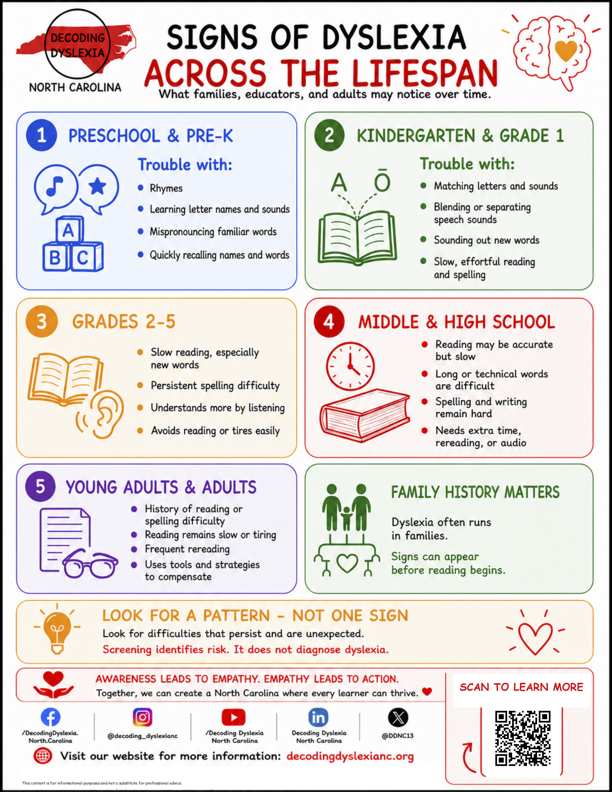
The specific signs change as children grow and academic demands increase. Signs may be evident during the preschool years and can persist into adulthood.
Explore Signs of Dyslexia from the Yale Center for Dyslexia & Creativity
Early Identification Matters
Families do not need to wait for a child to fail before concerns about reading development are taken seriously.
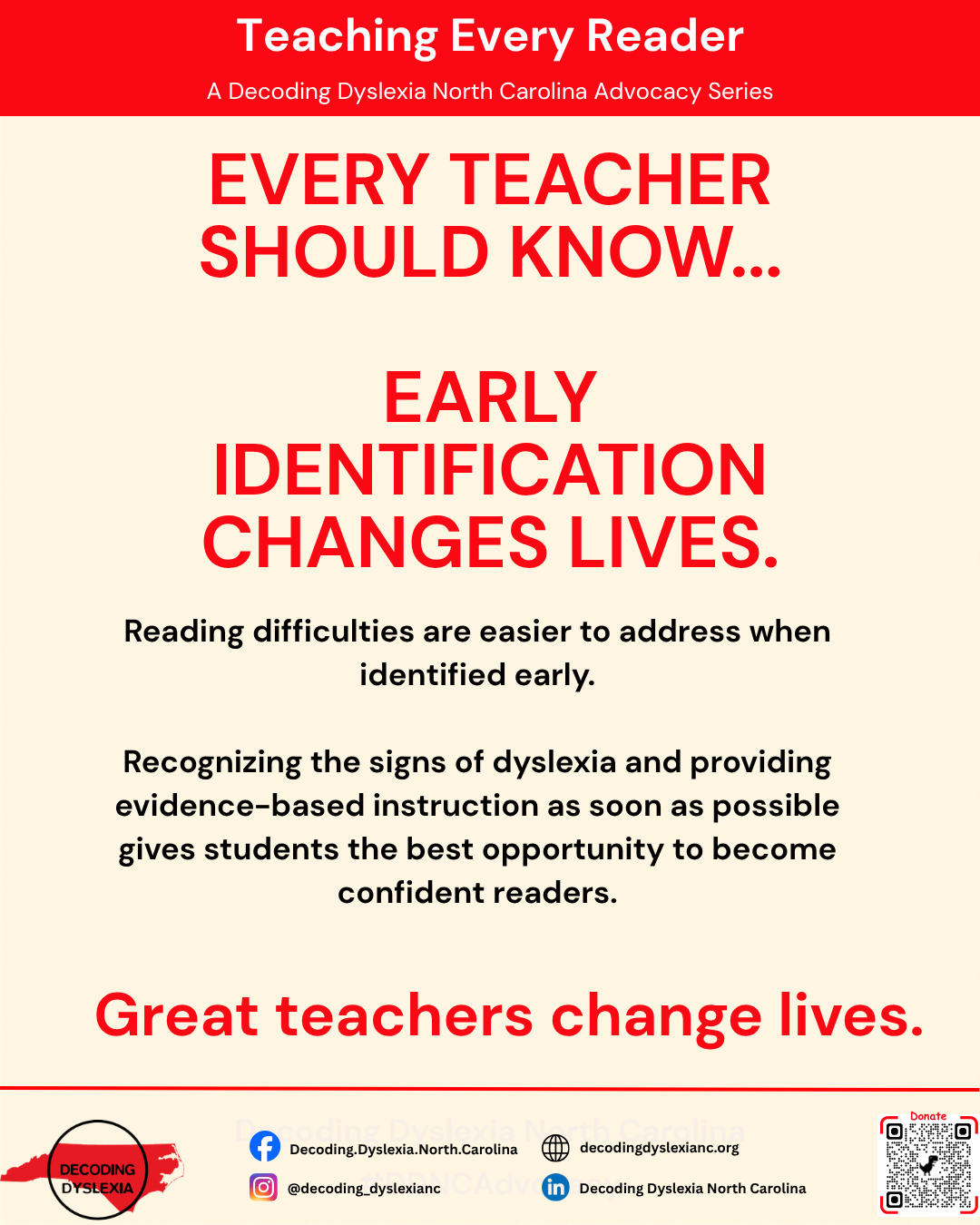
The revised IDA definition specifically emphasizes the importance of early identification and support. IDA notes that language and literacy intervention before and during the earliest school years can substantially improve literacy outcomes and long-term well-being. Identification and targeted instruction remain important at any age.
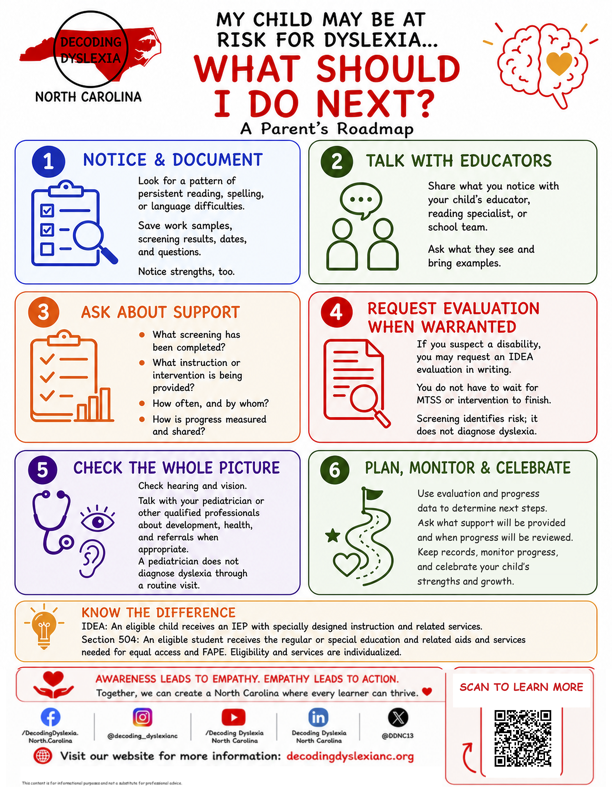
If you are concerned about your child's reading or spelling development, documenting the patterns you notice and discussing them with your child's educator are appropriate first steps.
What About Multilingual Learners?
Learning more than one language does not cause dyslexia, and multilingualism should not prevent a student from being screened or evaluated when persistent literacy difficulties are present.
When considering dyslexia risk in English learners, assessment should examine core literacy skills—including phonological awareness, decoding, fluent word recognition, and spelling—while also considering the student's language exposure, educational opportunities, and development across languages.
Learn More: English Learners and Dyslexia — International Dyslexia Association
Want to Dig Deeper?
These are the sources we recommend for families, educators, and others who want to learn more.
International Dyslexia Association — 2025 Definition of Dyslexia
The IDA Board of Directors formally adopted the current IDA definition on October 22, 2025.
Read the definition
International Dyslexia Association — Explanation of the 2025 Definition
A detailed, research-informed explanation of the language used in the revised definition and the reasoning behind the changes.
Read the explanation
International Dyslexia Association — 2025 Definition Glossary and Resources
Definitions of important terminology plus links to the scientific paper underlying the revision, presentation materials, and translations, including Spanish.
Explore the glossary and resources.
Yale Center for Dyslexia & Creativity — Signs of Dyslexia
Age-specific signs from preschool through adulthood, based on Sally Shaywitz's work.
Click the infographics below to learn more!
Recommended Reading
Dyslexia, Literacy, and Advocacy
The following books offer valuable perspectives on dyslexia, reading development, evidence-based instruction, learning differences, and educational advocacy. Whether you are a parent, educator, or individual with dyslexia, these resources can help deepen your understanding and provide practical guidance for supporting learners.
Many of these titles may be available through your local public library, school library, or library lending network. We encourage you to explore these options or purchase books through a bookseller of your choice.
The inclusion of a book on this list does not constitute an endorsement of every perspective, recommendation, or instructional approach presented by its author.
101 School Success Tools for Students with ADHD – Jacqueline S. Iseman, Stephan M. Silverman, and Sue Jeweler
All About IEPs – Peter W. D. Wright, Pamela Darr Wright, and Sandra Webb O'Connor
Basic Facts About Dyslexia & Other Reading Problems – Louisa Cook Moats and Karen E. Dakin
Dyslexia Advocate! How to Advocate for a Child with Dyslexia within the Public Education System – Kelli Sandman-Hurley
Dyslexia and Spelling: Making Sense of It All – Kelli Sandman-Hurley
Failing Students or Failing Schools? A Parent's Guide to Reading Instruction and Intervention – Faith Borkowsky
From Emotions to Advocacy, 2nd Edition – Peter W. D. Wright and Pamela Darr Wright
Language at the Speed of Sight: How We Read, Why So Many Can't, and What Can Be Done About It – Mark Seidenberg
Not Stupid, Not Lazy – Linda Siegel
Overcoming Dyslexia – Sally Shaywitz
Proust and the Squid: The Story and Science of the Reading Brain – Maryanne Wolf
Reading in the Brain: The New Science of How We Read – Stanislas Dehaene
Special Education Law, 2nd Edition – Peter W. D. Wright and Pamela Darr Wright
The Dyslexia Advantage: Unlocking the Hidden Potential of the Dyslexic Brain – Brock L. Eide and Fernette F. Eide
The Dyslexia Empowerment Plan: A Blueprint for Renewing Your Child's Confidence and Love of Learning – Ben Foss
The Mislabeled Child: How Understanding Your Child's Unique Learning Style Can Open the Door to Success – Brock L. Eide and Fernette F. Eide
The Teacher Who Couldn't Read – John Corcoran
This Is Dyslexia: The Definitive Guide to the Untapped Power of Dyslexic Thinking and Its Vital Role in Our Future – Kate Griggs
Uncovering the Logic of English: A Common-Sense Approach to Reading, Spelling, and Literacy – Denise Eide
Vocabulary Cartoons: Building an Educated Vocabulary with Visual Mnemonics – Sam Burchers, Max Burchers, and Bryan Burchers
When the School Says No... How to Get the Yes! – Author to be verified
Why Our Children Can't Read and What We Can Do About It – Diane McGuinness
Great Teachers Change Lives
⁎
Great Teachers Change Lives ⁎